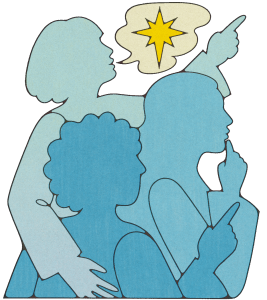
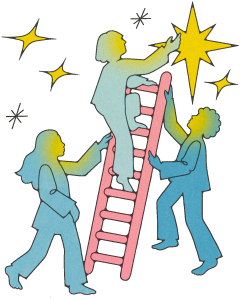
For too long, the rights of people with psychosocial disability have existed as aspirations, not as lived realities. We know that real change requires a single, unified purpose—a North Star—to guide every decision, policy, and interaction.
This Collective Good Life Vision is the result of co-design with people with lived experience of mental health challenges within the ‘Making Rights Real’ hub. It is our shared blueprint for assessing current systems and inspiring radical and compassionate change.
The UN CRPD: Our Rights, Explained Simply
Our simple guide breaks down the United Nations Convention on the Rights of Persons with Disabilities (UN CRPD) into easy-to-understand language. Understand the global agreement that protects your dignity, autonomy, and freedoms.
What is the UN CRPD and Why Does it Matter?
The UN CRPD is an international human rights agreement created to ensure that people with disabilities have the same rights and freedoms as everyone else.
By ratifying the UN CRPD in 2008, Australia formally agreed to follow its rules and work to protect the rights it outlines.
This makes it a legally binding international document, however, it’s slightly different. This isn’t a law you can use to take someone to a local court. Instead,
legally binding means Australia is obligated to review and change its own national laws, policies and systems to match the standards set by the UN CRPD. It’s a commitment to systemic, long-term change.
The UN CRPD is designed to change the mindset to see disability as a human rights issue. When we advocate using this language, we are not asking for charity or special treatment; we are demanding our universal human rights.
Navigating the Rule Book
How Our Simple Guide is Structured
The Power of Language - A quick view of key concepts
Speaking the Language of Your Rights.
Knowing the Articles gives us clarity and power. When we reference them, we move the conversation from asking for a favour to asserting an inherent human right. For example, instead of saying, “I need a ramp,” you can state, “The lack of accessible infrastructure violates Article 9 (Accessibility)”
The UN CRPD is a tool for systemic change because it holds governments accountable under international law. When we cite an Article, we are not just demanding a fix for one problem, but demanding that the entire system (be it aschool, a transport network or a law) be reviewed and reformed to ensure that right is upheld for all people with disabilities. This pressure forces lasting policy and legal reforms.
Dribble Challange Winning 2019.
Awwards Contest Winning 2020
Business Analysis Invasion 2020
How they are satisfied with our service.
0
Project Done
0
Clients Happy
Articles
Article 12:
Equal recognition before the law
The Right: To be treated equally by the law and to make your own decisions.
Advocacy Power: Use this to challenge legal systems that restrict your right to vote, marry or control your own finances based on your disability status.
Article 17: Protecting the integrity of the person
The Right: Respect for our bodies. We are in control of our own health care and medical decisions.
Advocacy Power: Use this to advocate against forced medical treatment or non-consensual procedures, asserting autonomy over your own body.
Article 19: Living independently and being included in the community
The Right: To live where and with whom we want and to be a part of the community.
Advocacy Power: Use this to demand funding and support systems that allow you to move out of institutional or group home settings and into individualised living arrangements.
Article 27: Work and employment
The Right: The right to work and be treated fairly, without discrimination, in a workplace that is open, inclusive and accessible.
Advocacy Power: Use this to challenge discriminatory hiring practices or pay disparities.
Start with Knowledge.
End with Action.
Every right is a tool. Download our Simple Guide to the UN CRPD to understand the foundation of the human rights movement and gain the specific, powerful language required for effective advocacy.